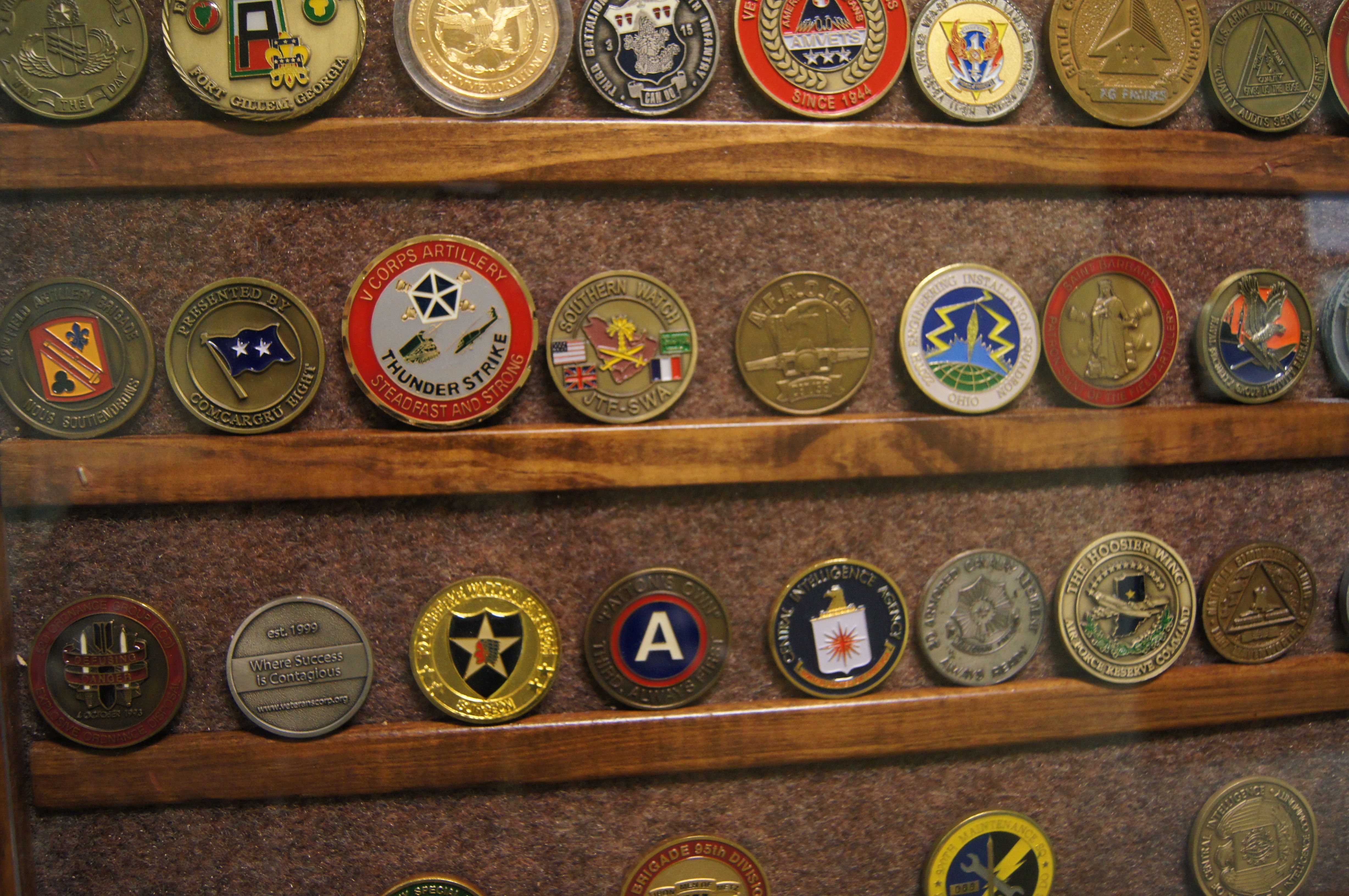
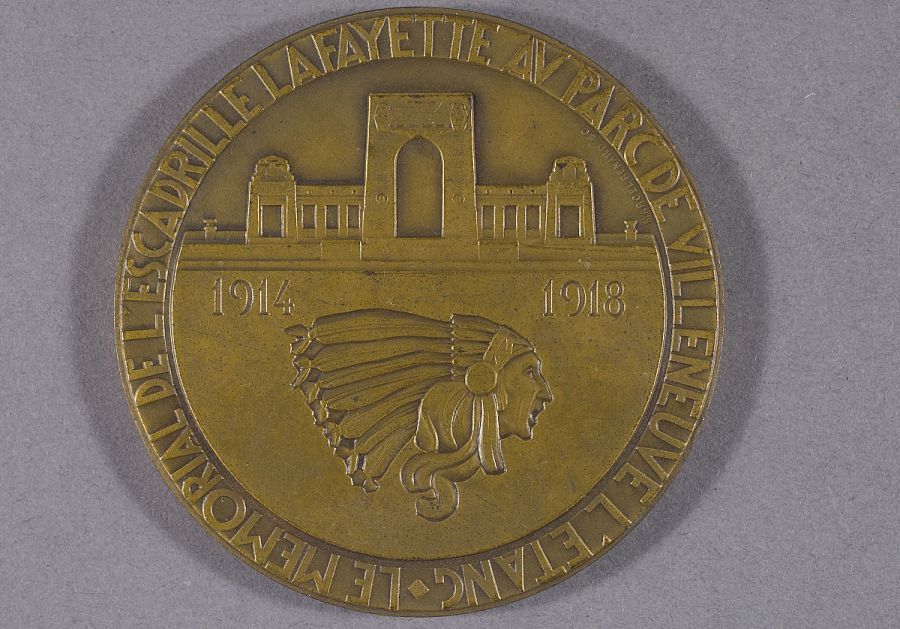
Lafayette Escadrille commemorative medal, an early ancestor of the modern challenge coin tradition.
Origins in World War I Aviation
During World War I, American volunteers joined the French flying corps before the United States officially entered the conflict. These young aviators often created unit medallions, commissioning local artisans to mint small copper tokens as symbols of identity and camaraderie. One popular story tells of a wealthy volunteer who gifted his squadron religious medallions, inspiring them to design a medallion of their own.Whatever the exact origin, one artifact is certain: the Lafayette Escadrille Commemorative Medal, presented to the surviving members of this small band of American volunteers. It stands as one of the earliest documented traditions that resembles the modern challenge coin.
The Tradition of the Military Challenge Coin
Challenge coins are small but powerful symbols of service, pride, and shared hardship. From American volunteers flying for France in World War I to today’s joint-service units around the world, these coins quietly mark membership, achievement, and moments of courage that are rarely written down.
Korean War and the Growth of the Tradition
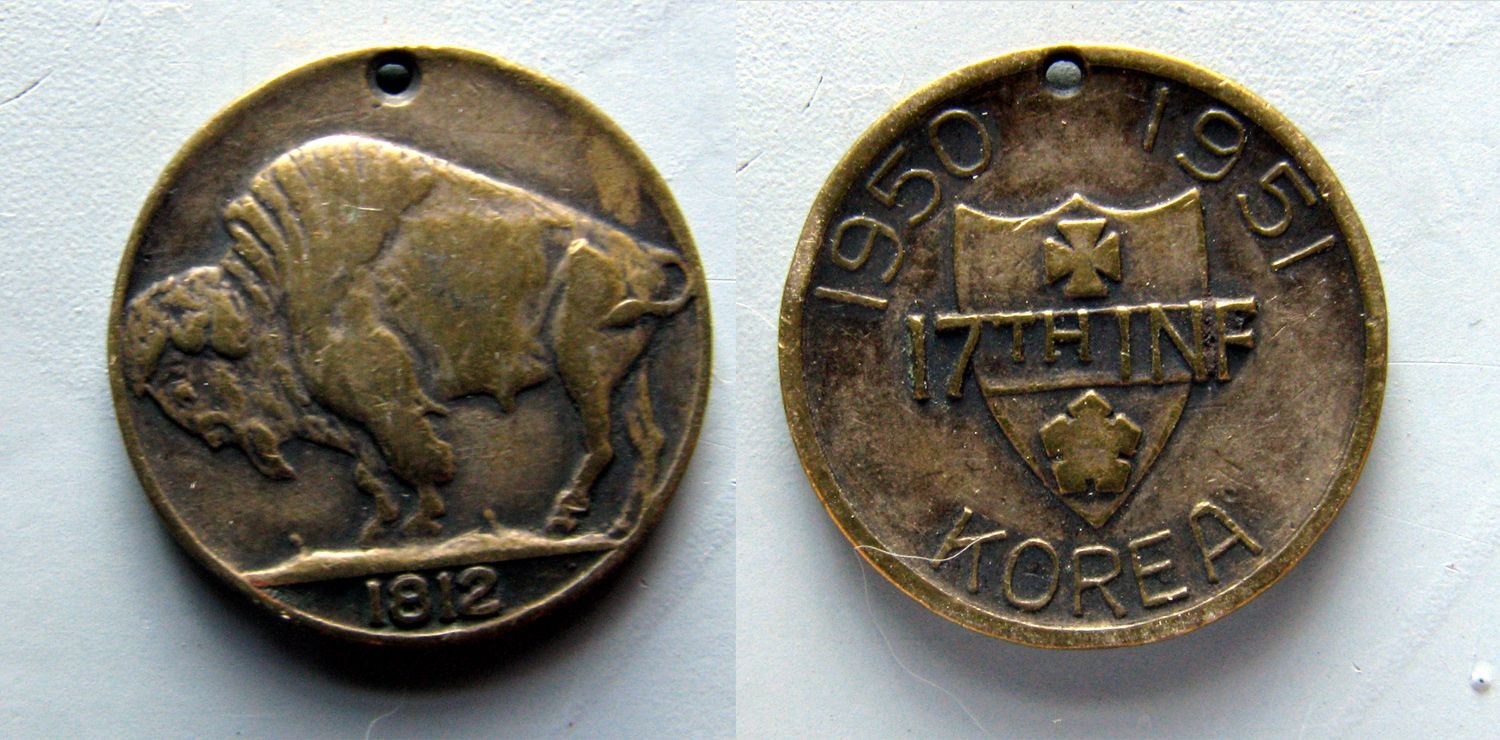
The challenge coin tradition grew during the Korean War. From 1950–1951, Colonel “Buffalo Bill” Quinn, commander of the U.S. Army’s 17th Infantry Regiment, commissioned distinctive coins for his soldiers.
His design featured a buffalo on one side and the regimental insignia on the other, with a small hole so it could be worn on a chain. These coins commemorated shared service in harsh conditions and helped standardize the idea of unit-specific coins—a practice that spread across the Army and, eventually, the entire U.S. military.
How Challenge Coins Are Awarded
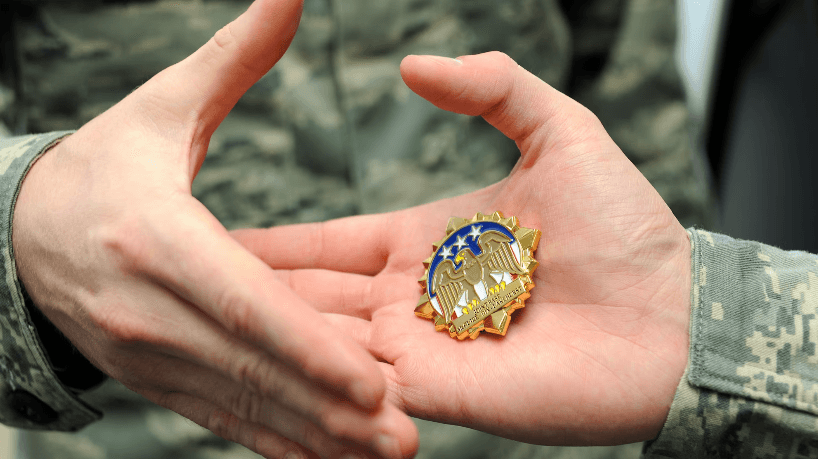
Challenge coins are traditionally presented quietly and respectfully. A typical award looks like this:
The leader palms the coin so it is hidden from view.
During a handshake, the coin is passed to the recipient.
The recipient closes their hand, slips the coin into a pocket without looking at it, and renders proper military protocols—often a salute.
This subtle exchange emphasizes personal respect over public ceremony. Historically, a coin could only be obtained from that leader, making it a tangible reminder of a specific moment and relationship.
Collecting and Protecting Coin Designs
As minting companies and online marketplaces grew, challenge coins became collectibles—traded, bought, and sold. Some units protected their designs through copyright, ensuring that official coins could only be produced by authorized organizations. Today, there is a mix of strictly earned unit coins and openly collected commemorative pieces.


